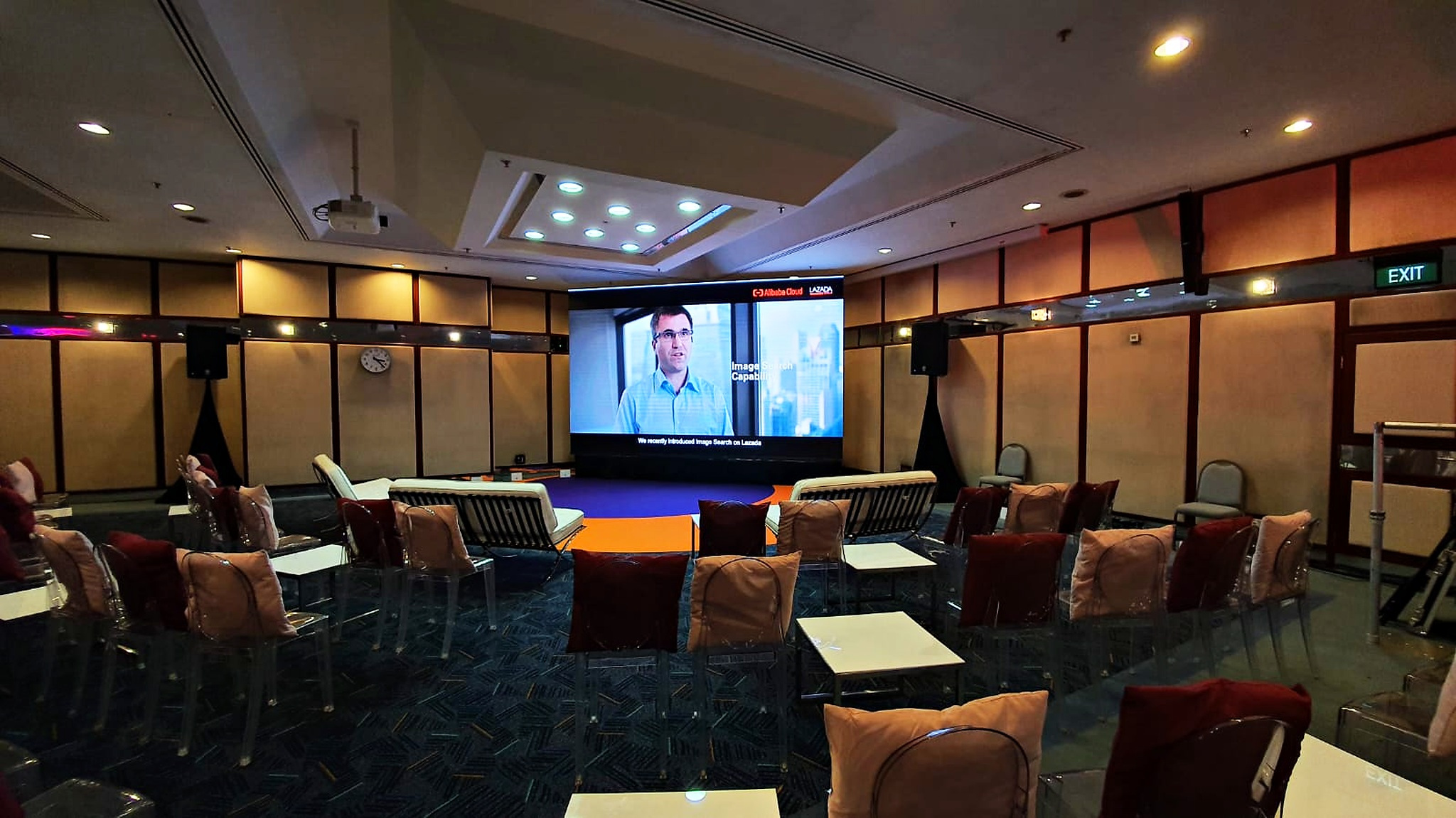
The seating choice changes the character of a Movie Screening. Rows of chairs create a shared auditorium, lounge seats encourage a relaxed gathering and a picnic-style arrangement feels more informal. Each needs a clear view of the screen and a workable route for arrivals. This guide compares the audience experience before discussing the practical layout with the event team.
Movie Screening: choose the viewing experience before counting seats
Epic Contents
A formal screening may favour a clearly organised audience area. A social gathering may place more value on a relaxed seating arrangement, provided the view remains suitable. Describe how you expect guests to use the screening: watch continuously, drop in during a wider event or settle down after another activity.
Review the proposed picture from seated positions, including the edges and the back. A view that seems unobstructed while standing can change once people sit down. Keep the equipment area separate from the guest seating count and agree the route late arrivals will use. The choice is about the viewing experience, not simply fitting the largest possible audience into a photograph.
Epic Events’ movie-screening planning service is a starting point for discussing the venue and equipment as one arrangement. Share photographs taken from the audience side, not just an attractive photograph of the empty space.

Match seating choices to the people attending
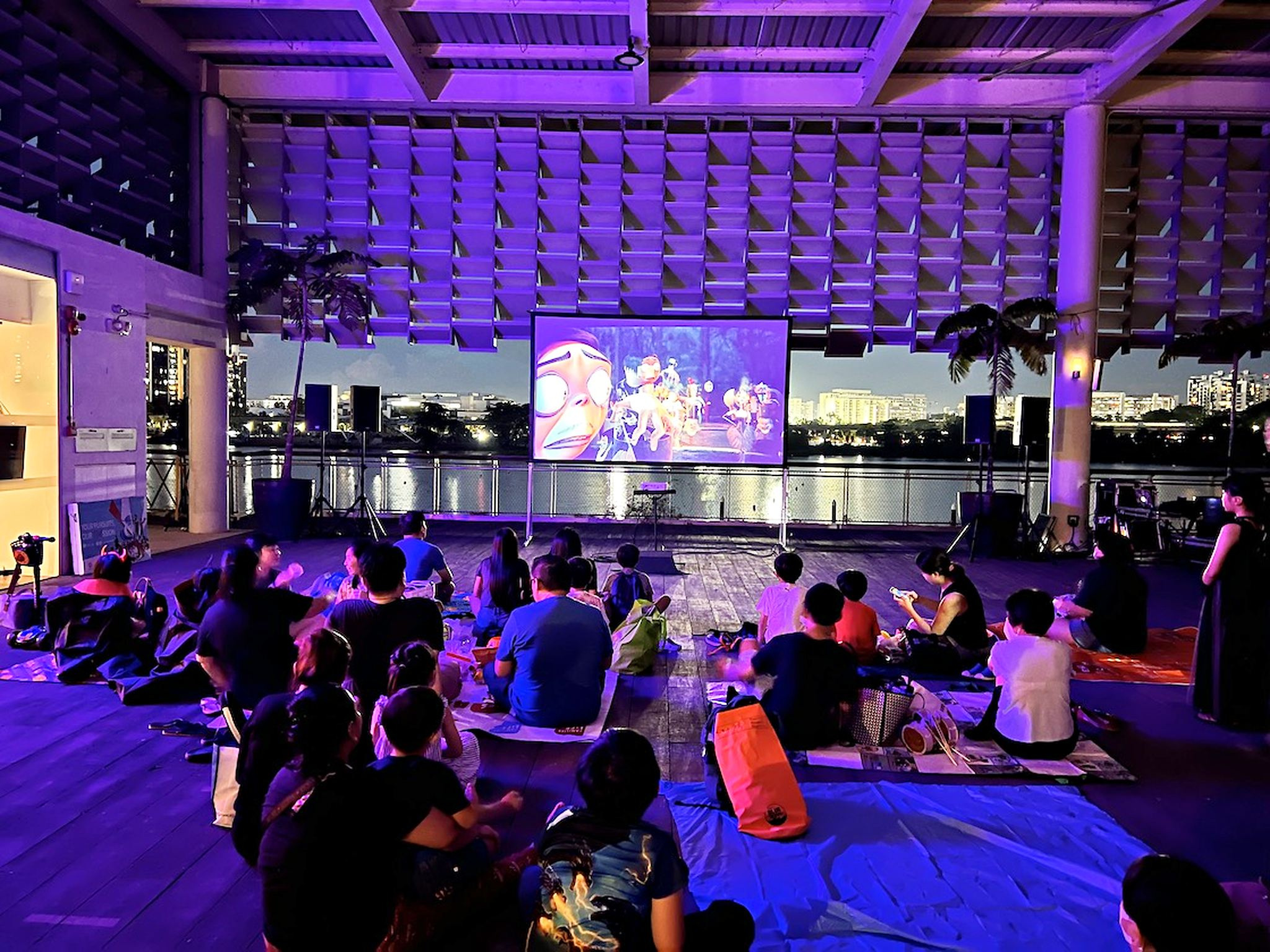
Mats can create an informal family atmosphere, while chairs give guests a different kind of support. Some audiences will appreciate a choice. Ask about mobility and seating needs early, and agree how companions can sit together rather than separating people by seating type.
If you combine low seating with chairs, review the view from each zone. A tall chair directly in front of someone on a mat can hide much of the picture. Place the different seating areas deliberately and test them with people sitting down. Avoid approving the plan from a standing position alone.
Keep enough flexibility for the actual audience. Families may arrive together with bags or pushchairs; colleagues may prefer to sit as a group. Tell the event team how people are likely to attend so the layout reflects that behaviour. Confirm the final capacity and access arrangements with the venue rather than estimating capacity from floor area alone.
Give arrivals a route around the viewing area
Think about the journey from the entrance to a seat. A late arrival should not need to walk through the projection path or cross directly in front of the screen. Where the venue allows, route arrivals around the side or rear of the audience area and make the available seating easy to identify.
The same consideration applies when someone leaves temporarily. Locate the route to toilets, refreshments and the exit on the plan. Keep bags and spare furniture out of those routes, and ask the venue and event team to agree the appropriate access space for the setting.
For an outdoor movie screening, review the route after dark as well as during setup. Guests need to understand where to walk without lighting the screen area unnecessarily. Agree the lighting arrangement with the venue and technical team; a daytime photograph will not show every issue that becomes apparent during the film.
Test the picture from a seated position
Once the equipment is set up, sit in several representative places: near the front, at the back and towards each side. Check the picture from the height at which guests will watch it. This is particularly useful when the venue mixes lounge furniture, dining chairs and floor seating.
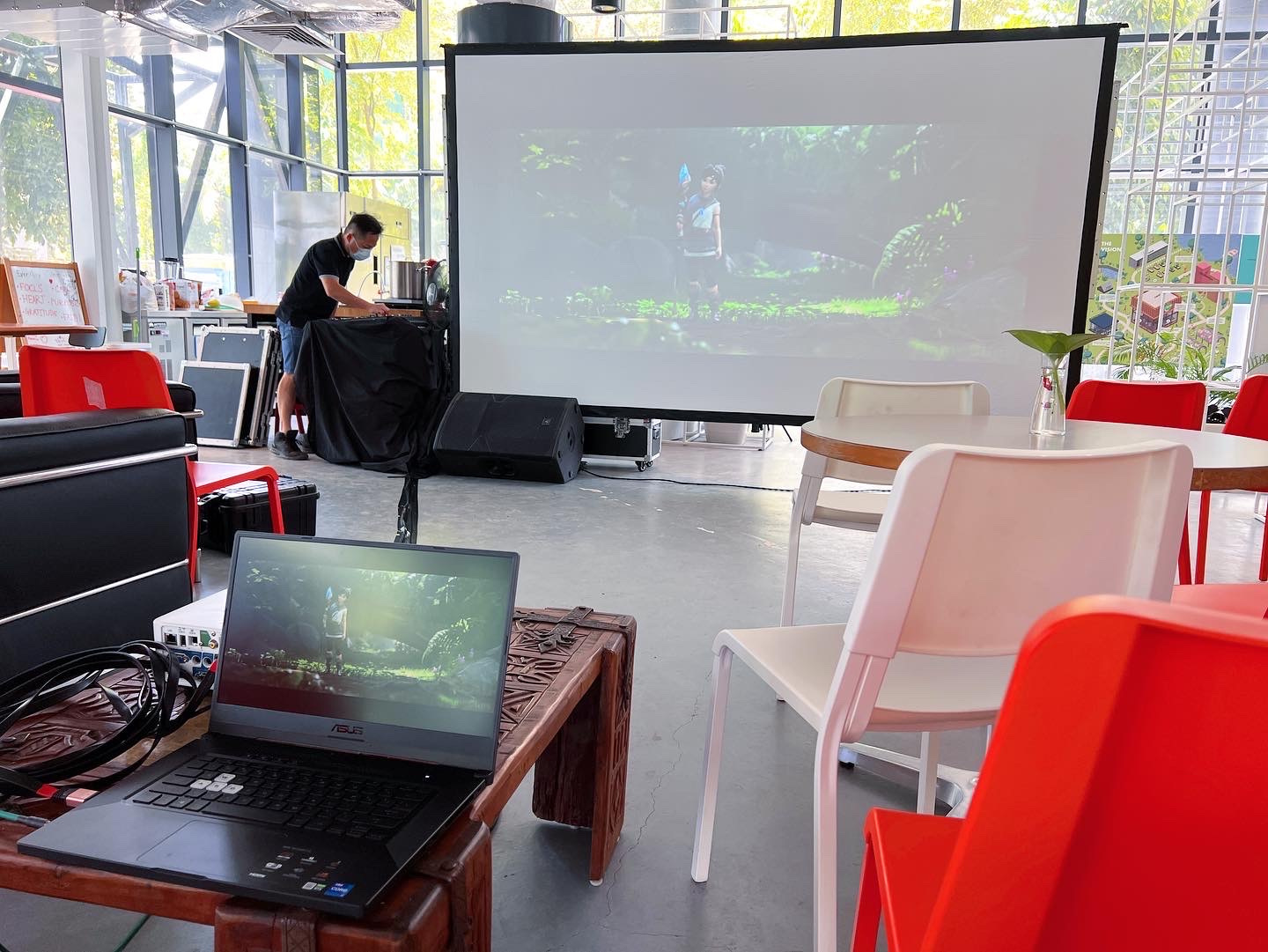
Use the planned playback arrangement for the test. Ask the operator to check a representative scene and any subtitles, rather than relying only on a bright holding slide. Confirm whether decorative lighting or nearby illuminated signs affect the view, and agree any changes before guests settle down.
Screen format is one part of the discussion. Carnival People’s movie-screen rental options provide a relevant comparison when briefing the equipment requirements. The final choice should follow the viewing conditions and audience layout, with the event team confirming the suitable setup.
Leave equipment space out of the seating count
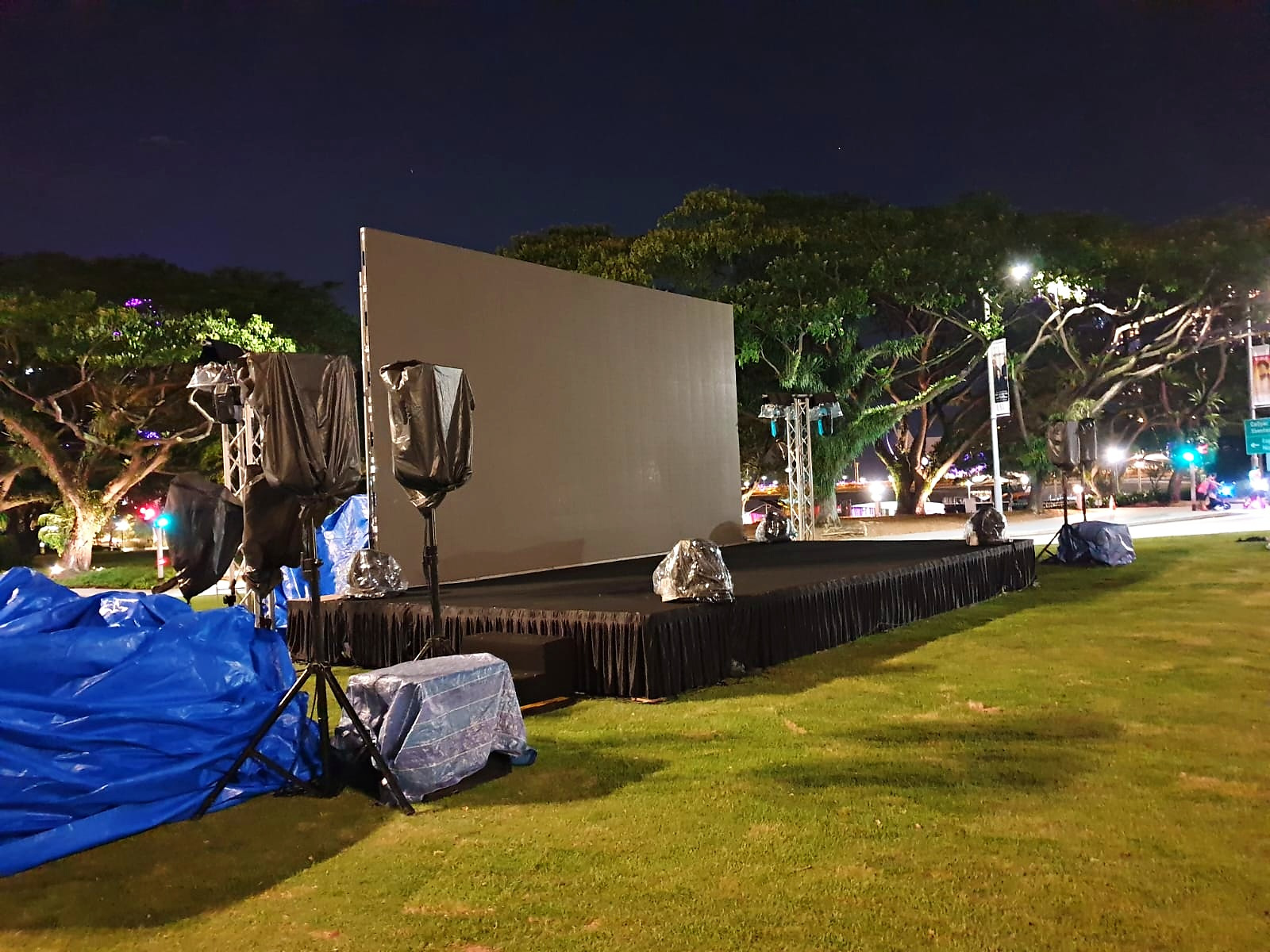
An apparently empty patch of floor may be needed for the projector, sound equipment or the operator’s working area. Mark those positions before calculating how many people can sit in the venue. The usable audience space is what remains after the complete setup and access routes are accounted for.
Ask the technical team to identify the projection path, speaker positions and cable routes on the layout. Guests should not have to step over equipment to reach their seats. Let the crew determine the appropriate equipment protection and cable management for the actual site.
For a movie screening within a larger event, share the same layout with everyone involved. A last-minute display, registration table or decorative feature should not unexpectedly occupy space already allocated to the screen or operator. A single agreed plan helps the different parts of the event work together.
Agree the alternative layout before event day
An outdoor plan should include a clear discussion about what happens if the intended space cannot be used. An alternative room or sheltered area may have a different shape, entrance position and seating capacity. Confirm whether the same screen and furniture arrangement will work there instead of treating the alternative as a simple change of address.
Decide who will communicate a layout change and how guests will find the correct entrance. Share the updated seating and equipment plan with the venue, operator and front-of-house team. If attendance needs to be managed differently, resolve that before people arrive.
Finish the brief with the event time, expected audience, seating preferences, venue photographs and named contact. Add the final playback arrangements and any outstanding requirements for the organiser to confirm. A short, agreed brief is easier to act on than several different versions of the floor plan.
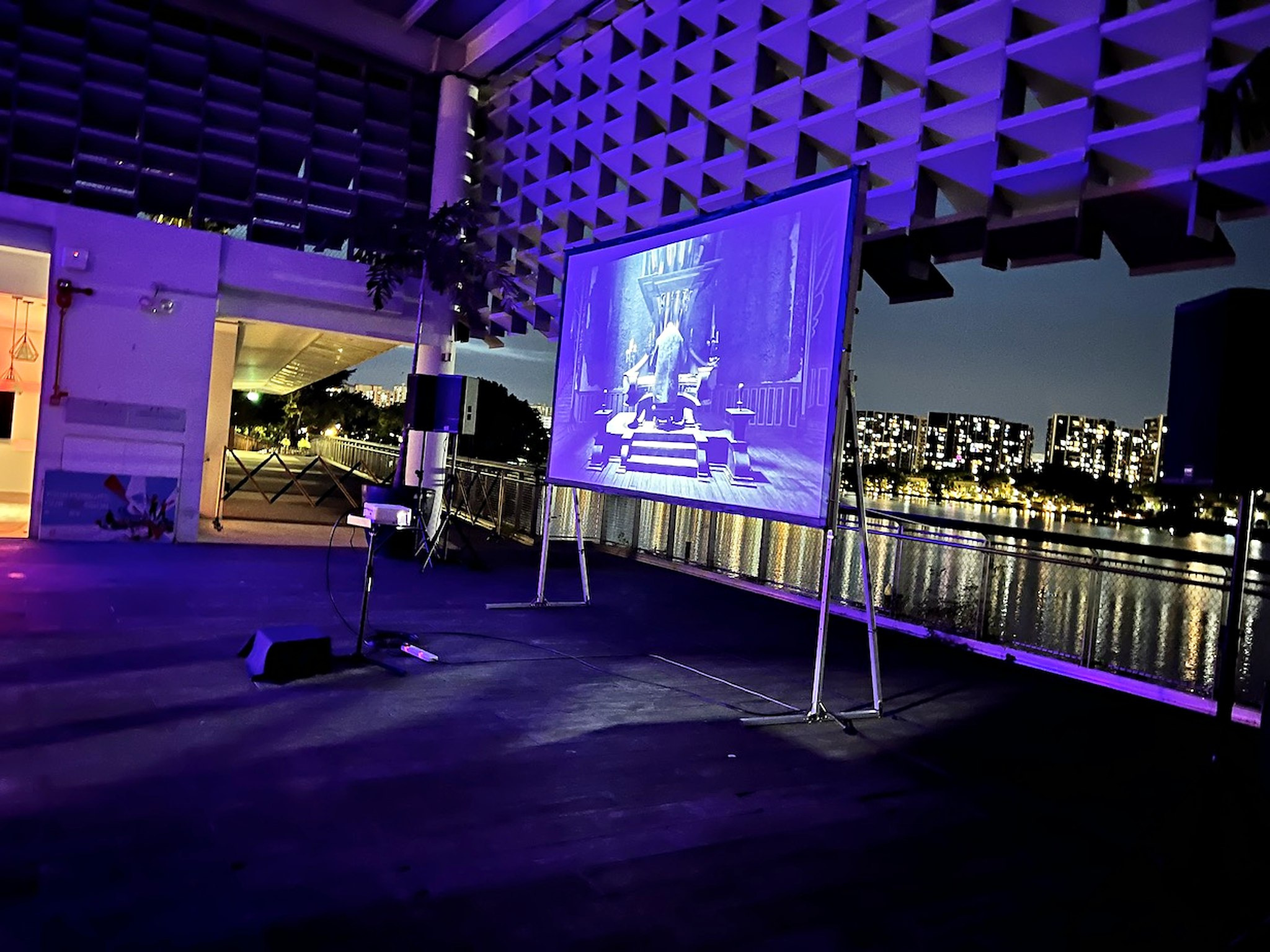
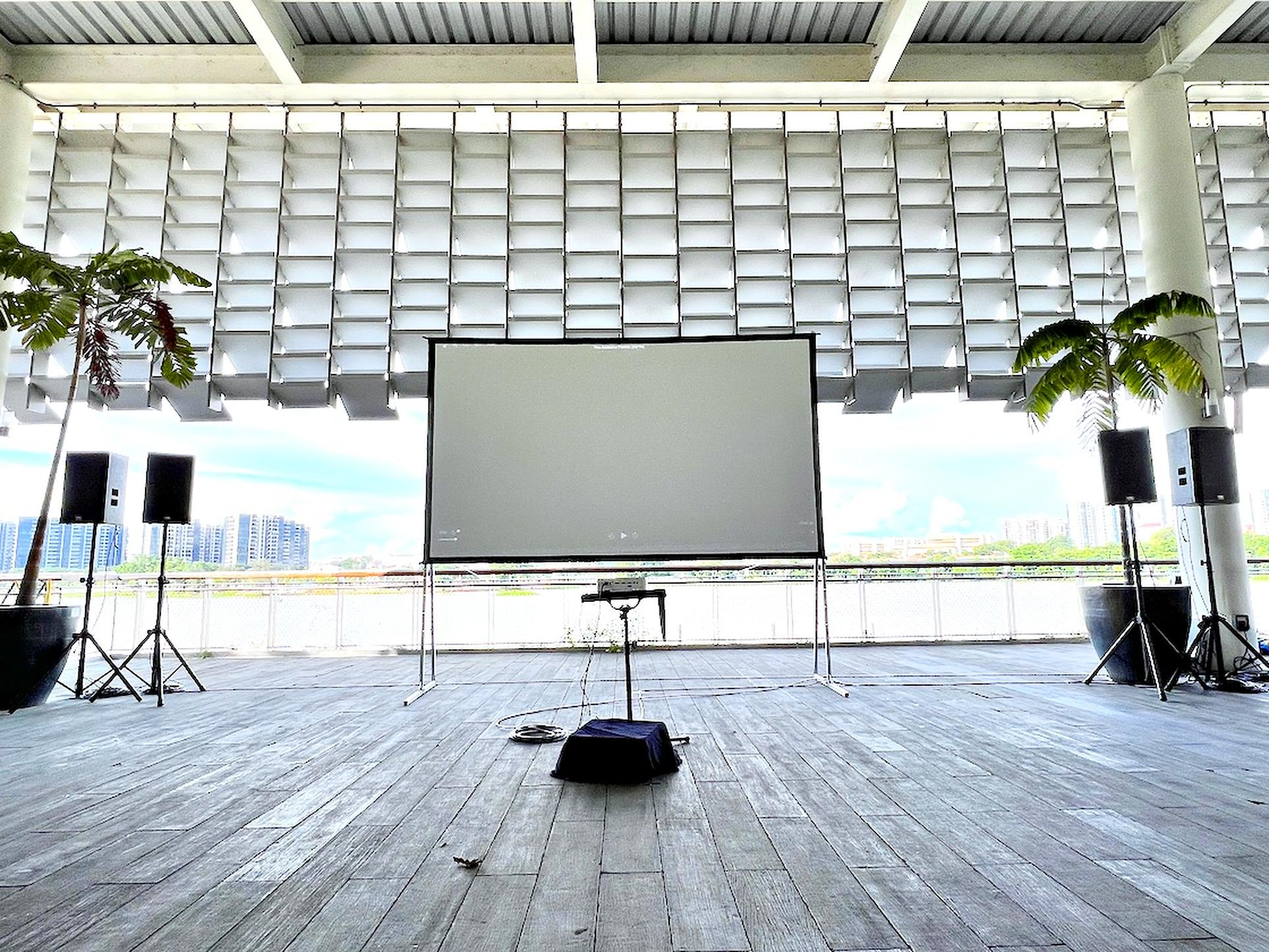
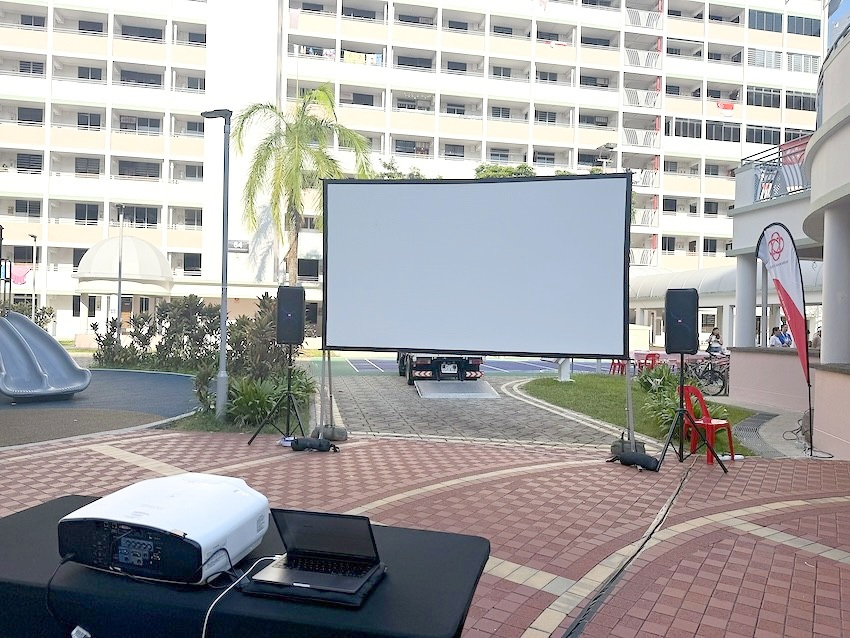
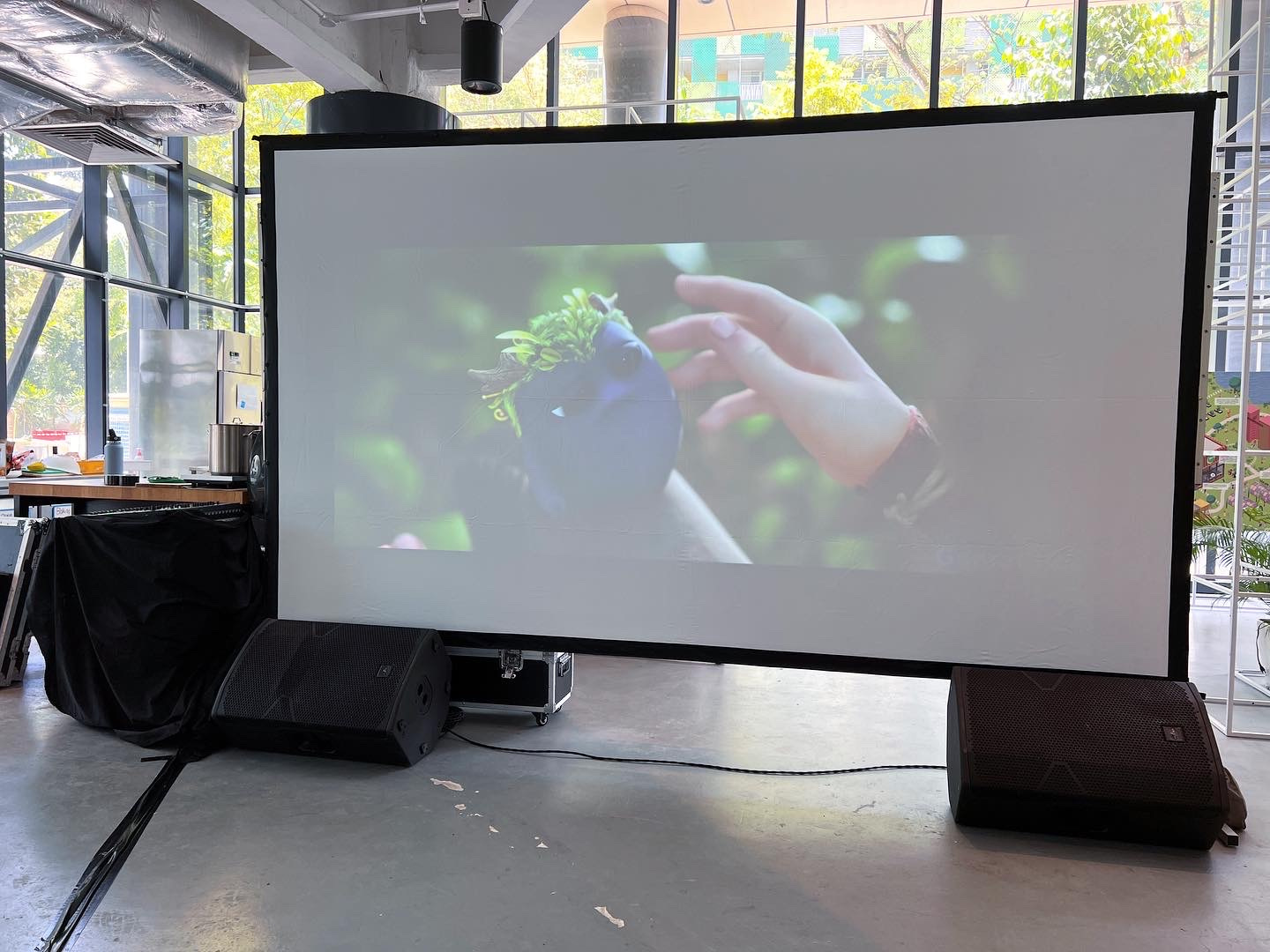
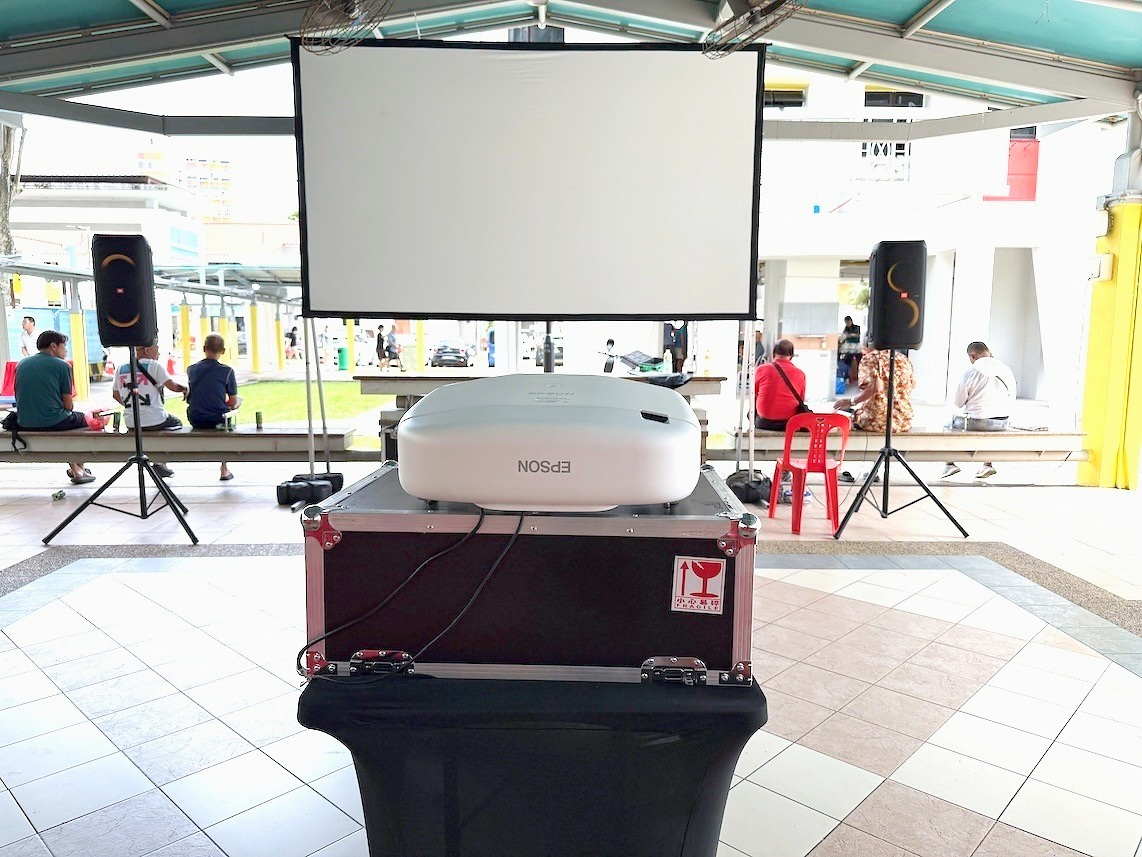
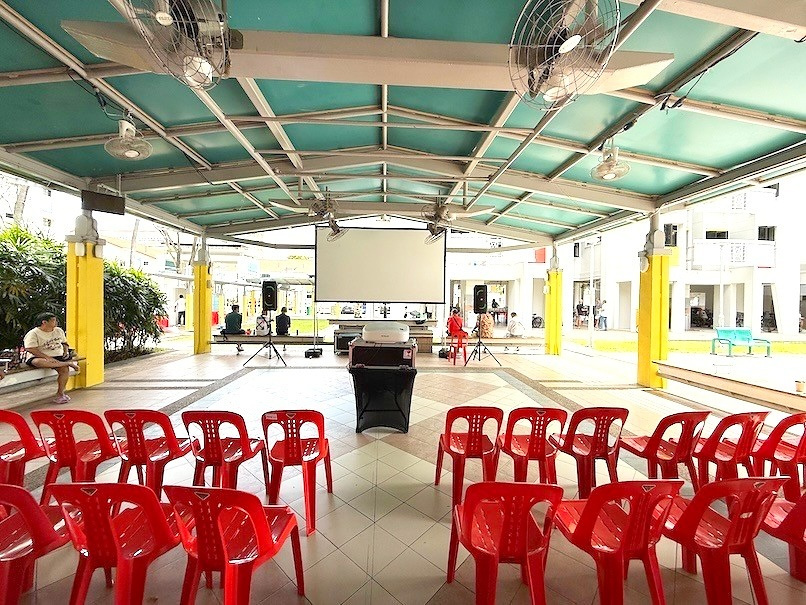
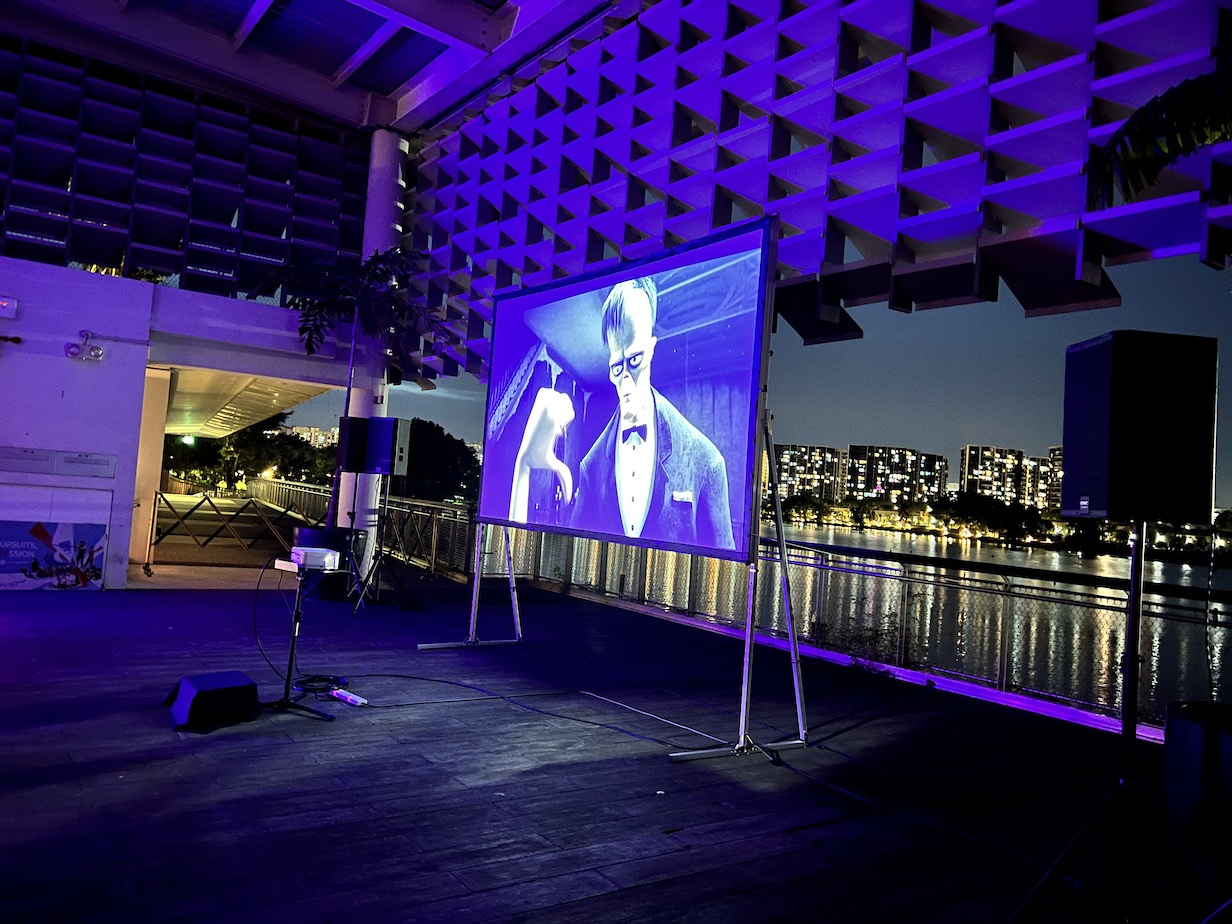
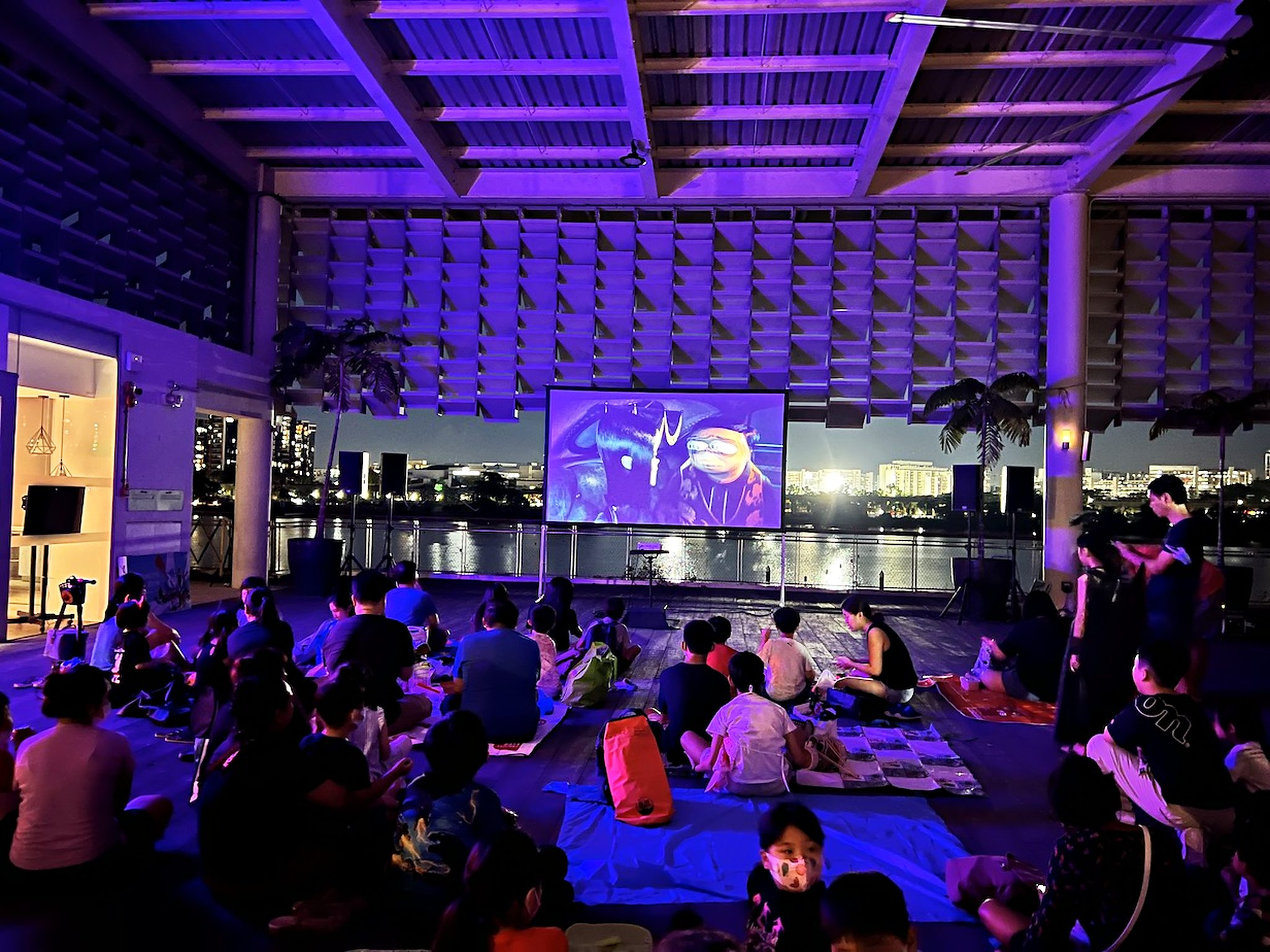
Movie screening layout examples
These photographs show seating, projection and screen arrangements in different settings. Use them as visual references for your brief; the suitable equipment and layout depend on your venue and booking.
Frequently asked questions
Should we choose chairs or floor seating?
Choose according to your audience, the venue and the experience you want. A mixed arrangement can work if sightlines and access are considered together. Discuss individual seating needs and space for companions before finalising the plan.
How close should the first row be to the screen?
There is no single distance that suits every setup. Ask the technical team to recommend the viewing positions for the selected screen and venue, then check the front row while seated. Avoid copying distances from an unrelated event photograph.
Can a movie screening work in a lounge?
A lounge may be suitable, but existing furniture and lighting can constrain the layout. Share photographs and discuss the screen position, playback equipment and seating before confirming it. Check that the chosen arrangement still leaves workable routes around the room.
What should we send with an enquiry?
Send the date, venue, expected attendance, preferred viewing time and seating style. Include photographs from several audience positions and details of any alternative space. Explain whether the screening is a standalone event or part of a wider programme.
Plan a comfortable shared viewing experience
A successful movie screening layout helps guests settle in, see clearly and move around without disrupting the film. Start with those practical needs, then select the equipment and seating with the team. Send your venue details and audience brief through Epic Events’ screening enquiry form to discuss an arrangement for your next gathering.